
Designing Outdoor Kitchens for Florida Weather: A Complete Guide to Style, Function, and Durability
- Jesse Forrest
- Aug 20, 2025
- 4 min read
Florida’s climate is made for outdoor living. With its year-round sunshine, mild winters, and coastal charm, it’s no wonder more homeowners are choosing to extend their culinary space outdoors. But designing an outdoor kitchen in the Sunshine State isn't just about adding a grill and a few chairs. It requires thoughtful planning to stand up to high humidity, UV rays, rainfall, salt air, and seasonal storms.
In this guide, we’ll walk you through everything you need to know to build a weather-resistant, stylish, and long-lasting outdoor kitchen—tailored specifically for Florida’s unique climate.

Why Outdoor Kitchens Are Popular in Florida
Outdoor kitchens aren’t just a luxury in Florida—they’re becoming a way of life. Whether you’re hosting backyard cookouts, entertaining guests, or simply enjoying a meal al fresco, outdoor kitchens can transform the way you use your home.
Key Benefits:
Year-round outdoor entertaining
Increases property value and curb appeal
Expands usable living space
Keeps heat and odors out of the main house
Encourages healthier, outdoor-focused lifestyles
Florida Climate Challenges: What Your Outdoor Kitchen Must Withstand
Before diving into layout or design, it’s important to understand the environmental challenges that your outdoor kitchen must endure in Florida:
High humidity: Can cause wood to swell and metal to rust
Salt air (in coastal areas): Corrosive to many materials
UV rays: Fade and degrade certain surfaces
Heavy rain and hurricanes: Require strong, waterproof construction
Heat: Surfaces and appliances need to resist warping and heat damage
Choosing the Right Location
Strategic placement of your outdoor kitchen is just as important as the materials used. Ideally, your kitchen should be:
Close to the main kitchen for easy access to ingredients and dishes
Shaded or partially covered to reduce sun exposure and weather damage
Positioned to avoid high winds, especially in hurricane-prone areas
Connected to utilities (gas, electric, water) safely and efficiently
Design Layout Tips for Functionality
A smart layout enhances both cooking performance and entertainment flow. Consider dividing your kitchen into functional zones:
Cooking Zone – Grill, cooktop, smoker, pizza oven
Prep Zone – Counter space, sink, cutting boards
Serving Zone – Buffet counter, bar area, island
Cleaning Zone – Sink, trash bins, storage for cleaning products
Dining & Social Zone – Outdoor dining table or bar seating area
Design with workflow in mind, allowing ample space for movement, food prep, and guests. Incorporating overhead protection like a pergola, awning, or roof extension is essential for Florida’s intense sun and unpredictable rain.
Materials That Work in Florida Weather
When it comes to Florida outdoor kitchens, not all materials are created equal. Below are your top choices for durability and low maintenance.
Outdoor Kitchen Cabinetry
Stainless Steel (304 or 316 Grade) Extremely resistant to rust and corrosion. Ideal for coastal areas but requires regular cleaning to maintain shine.
Marine-Grade Polymer (HDPE) Waterproof, fade-resistant, and mold-proof. Requires minimal maintenance and is available in a variety of colors.
Powder-Coated Aluminum Lightweight, corrosion-resistant, and customizable. A sleek, modern choice that resists moisture and heat.
Teak or Ipe Wood (Properly Sealed) Naturally resistant to rot and insects. Needs periodic oiling or sealing to maintain appearance in Florida’s humidity.
Countertops
Granite: Heat- and water-resistant when sealed. A top choice for longevity and style.
Quartzite: Harder than granite and extremely resistant to UV rays. Low-maintenance and elegant.
Concrete (Sealed): Offers a modern aesthetic. Must be sealed to prevent moisture absorption and cracking.
Porcelain Slabs: UV-, stain-, and scratch-resistant. Performs well under harsh weather conditions and requires minimal care.
Appliances That Hold Up in Humid Conditions
Outdoor kitchen appliances should be rated for outdoor use and preferably made of stainless steel (304 or 316 grade). Consider including:
Built-in gas or charcoal grill
Side burners or flat-top griddle
Outdoor-rated refrigerator
Ice maker or beverage cooler
Warming drawers
Pizza oven
Vent hood (if under cover)
Ensure all wiring and connections are weather-sealed and follow Florida building codes, especially in hurricane zones.

Flooring Options for Outdoor Kitchens
Select flooring that is slip-resistant, weatherproof, and complements your home's aesthetic.
Top picks include:
Porcelain tile: Durable, non-slip, and UV-resistant
Natural stone (e.g., travertine, slate): Provides elegance with natural slip resistance
Stamped and sealed concrete: Cost-effective and customizable
Composite decking: Moisture-resistant and low maintenance
Smart Storage Solutions
Weatherproof cabinetry is only part of the equation. Consider interior organization features that make outdoor cooking convenient:
Pull-out trash/recycling bins
Sealed storage drawers
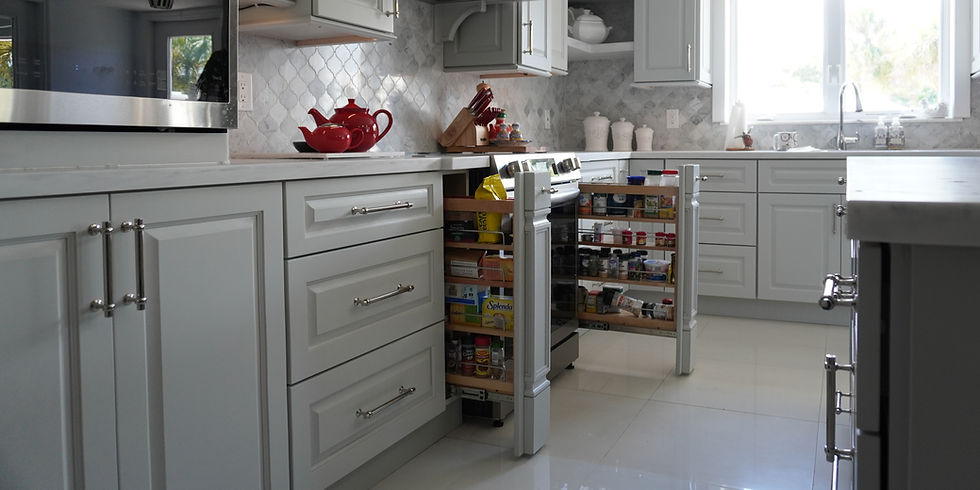
Built-in utensil and spice racks
Lockable cabinets for secure storage during storms or off-season months
Maintenance and Longevity Tips
To ensure your outdoor kitchen stands the test of Florida weather, follow these best practices:
Use appliance covers when not in use
Seal countertops annually (especially granite or concrete)
Clean stainless steel with a damp cloth and dry thoroughly to avoid rust
Check drainage to avoid water pooling under cabinets or flooring
Inspect hardware regularly for rust, and replace or seal as needed
Store cushions or soft items indoors when not in use
Incorporating Comfort and Design Elements
Your outdoor kitchen can be functional and beautiful. Incorporate design features that enhance comfort and appeal:
Ceiling fans for airflow
Task and ambient lighting
Built-in sound system
Fire pit or outdoor fireplace
Decorative tile backsplash
Custom bar or drink station
FAQs: Outdoor Kitchens in Florida
1. Can I build an outdoor kitchen in a screened-in lanai?
Yes. This protects from bugs and weather but be sure to choose ventilation-safe appliances and flooring.
2. What is the average cost of an outdoor kitchen in Florida?
Prices vary, but a fully equipped outdoor kitchen typically ranges from $10,000–$30,000+, depending on materials and features.
3. Do I need a permit to build an outdoor kitchen in Florida?
Most likely, yes—especially if you’re adding gas, plumbing, or electrical. Always check with your local municipality or HOA.
4. How can I hurricane-proof my outdoor kitchen?
Use durable materials, anchor structures, choose wind-rated appliances, and consider installing storm shutters or covers.
5. What adds the most value to an outdoor kitchen?
High-quality cabinetry, built-in appliances, and functional layouts offer the best ROI. Shade structures and seating also enhance usability and value.
Final Thoughts: Build for Florida’s Lifestyle and Climate
Designing an outdoor kitchen in Florida is about more than style—it’s about survival. With high humidity, salt air, and year-round exposure, durability is key. By choosing weather-resistant materials, planning a functional layout, and maintaining your space, your outdoor kitchen can provide lasting value, comfort, and entertainment for years to come.

Comments